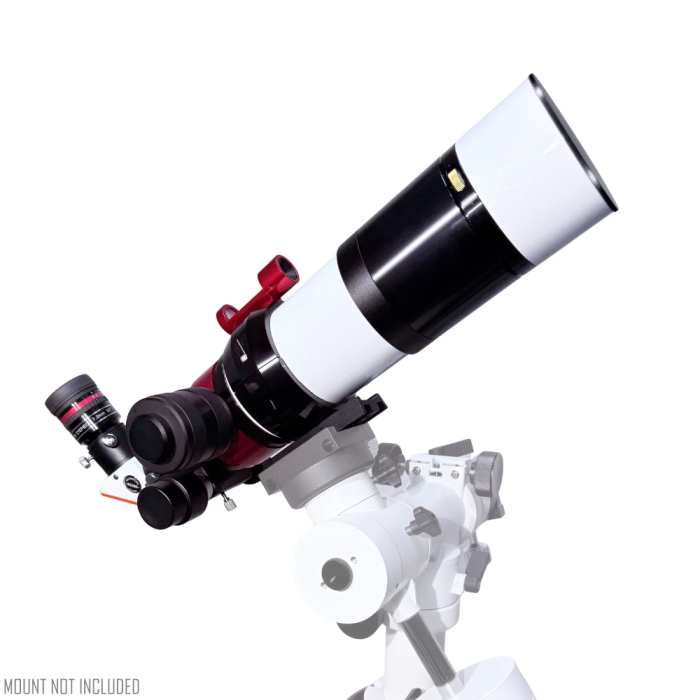
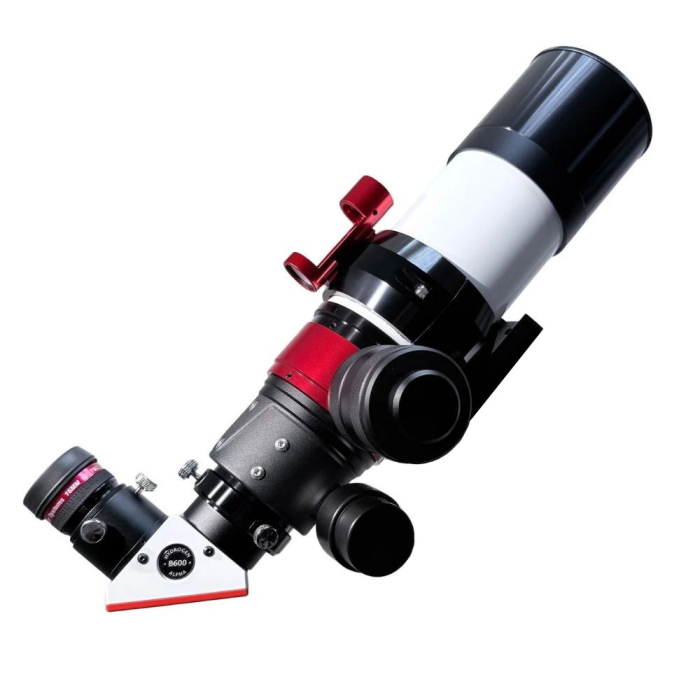
Lunt LS60MT Telescope

Best versatile choice for enthusiasts transitioning between solar and nighttime observation.
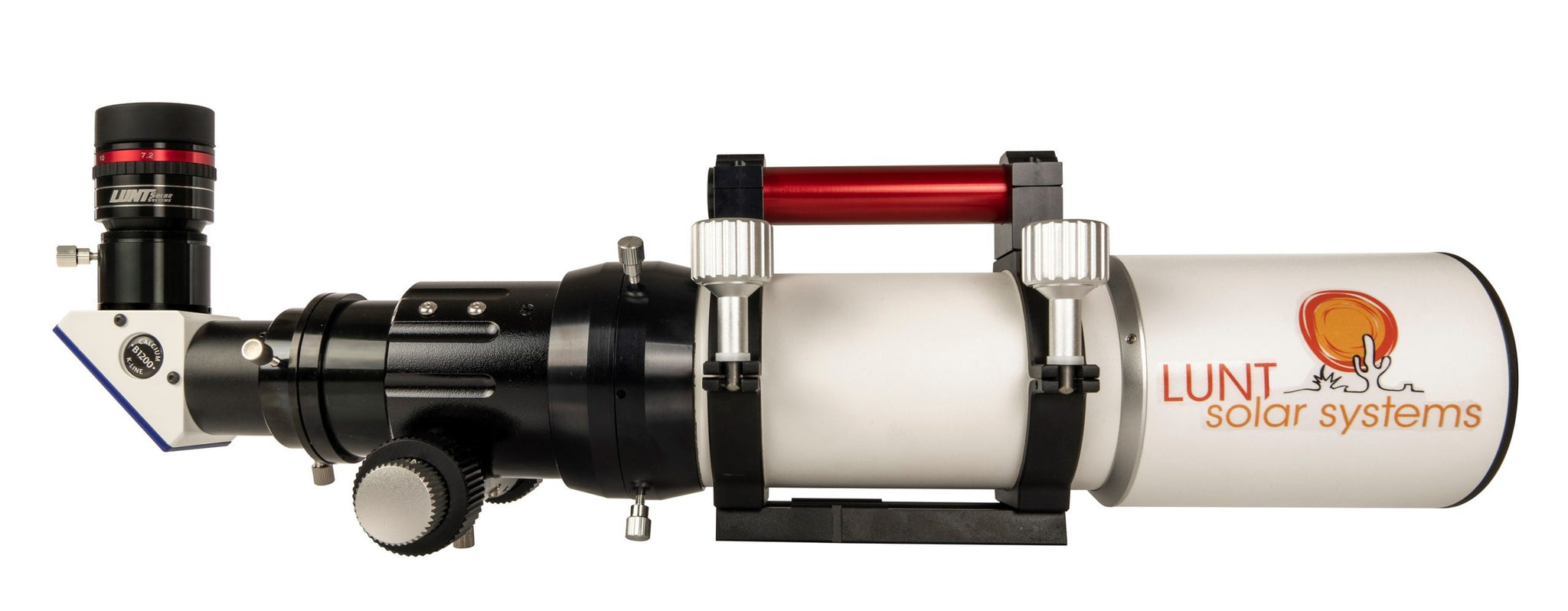
This versatile instrument bridges the gap between specialized solar observation and traditional night sky viewing. By utilizing a removable etalon system, it transforms from a high-contrast H-alpha solar scope into a standard ED doublet refractor, offering exceptional flexibility for observers who want to explore both the Sun and the stars with a single optical tube.
$2995.00
at
Highpointscientific


Who it's for
- Astronomers seeking a single portable setup for day and night
- Solar observers demanding professional-grade clarity and safety
- Mobile observers who prioritize easy transport and setup
Who should skip it
- Budget-conscious hobbyists seeking a more affordable entry point
- Deep-sky enthusiasts requiring significant light-gathering power for faint nebulae
- Users who prefer a simple, fixed-purpose telescope design
Performance breakdown
Solar Detail Resolution
Pressure-tuned etalon delivers exceptional contrast on flares and surface filaments.
Versatility
Seamlessly switches between specialized solar work and standard nocturnal stargazing.
Focuser Precision
Dual-speed rack-and-pinion provides the fine control needed for critical imaging.
Optical Clarity
FPL51 ED glass minimizes chromatic aberration for crisp, high-contrast views.
Portability
Compact modular design fits perfectly into the included protective hard case.
Bandpass Performance
Double-stack configuration achieves ultra-narrow bandwidth for stunning solar surface definition.
Key Specs
Aperture
60 mm (Solar) / 70 mm (Refractor)
Focal Length
420 mm
Focal Ratio
f/6
Optical Design
ED Doublet Refractor
Solar Filter Tuning Type
Pressure-Tuned
Bandpass
<0.28Å (Double Stack)
Blocking Filter
B1200 (12 mm)
Focuser
2-inch Dual Speed Rack and Pinion
Eyepiece Barrel Diameter
1.25 inches
Included Accessories
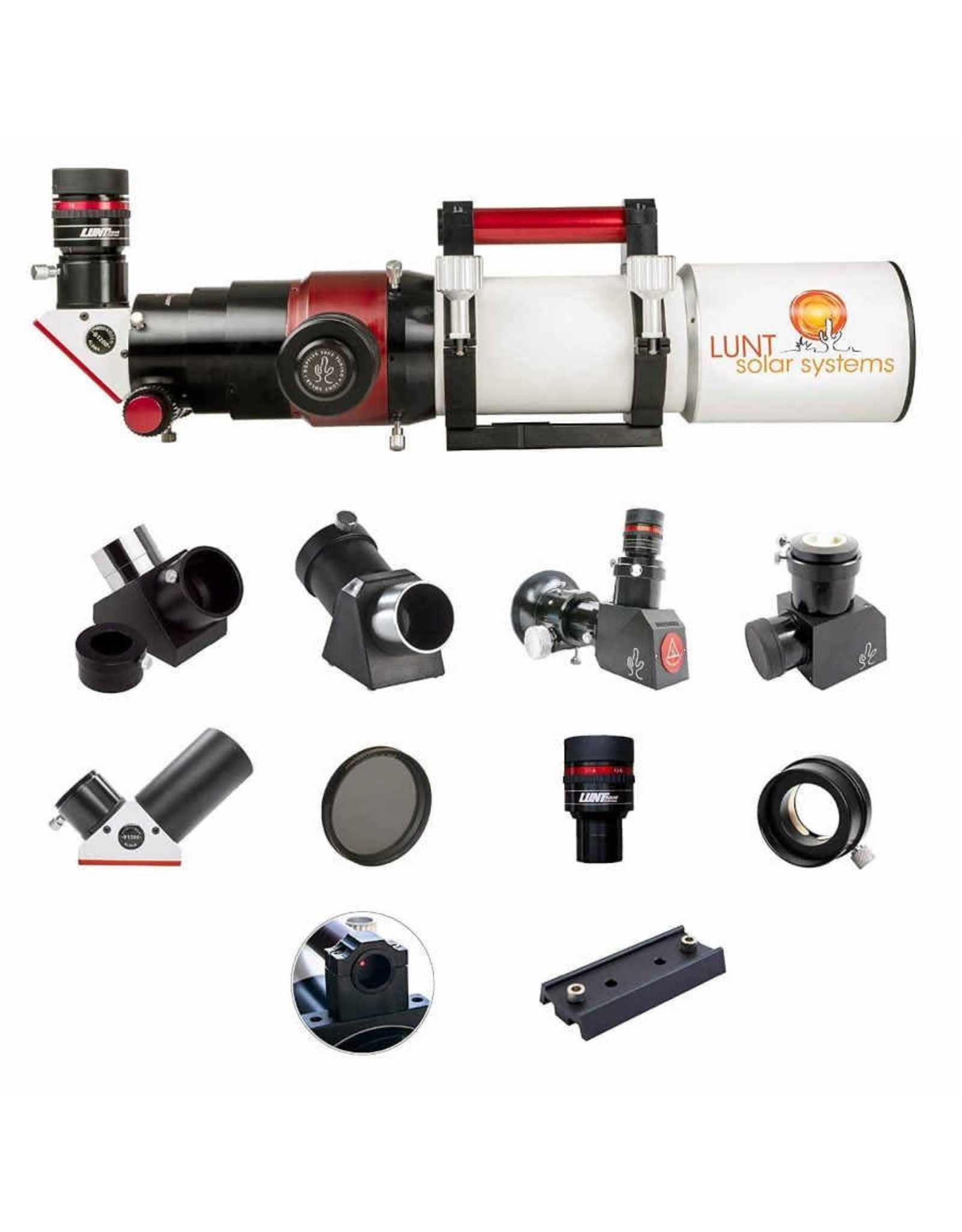
Hard case, Zoom eyepiece, SunLock Red Dot Finder
Know before you buy
Still have a question?
Ask Metto anything about the Lunt LS60MT Telescope before you decide.